Happy House
ハッピィ ハウス
“1970s Japan: 13-year-old girl rejects parents amid divorce, dreams of independence from career-focused mother and TV-director father.”
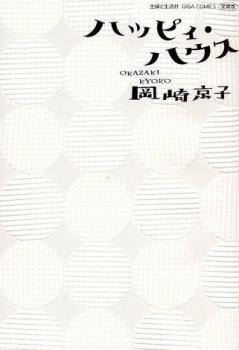
For you
Add Happy House to your library
For you
Would you love or hate this?
- Personalized to you
- Honest pros & cons
- Based on your library
Synopsis
1970s Japan: 13-year-old girl rejects parents amid divorce, dreams of independence from career-focused mother and TV-director father.
In Happy House, Okazaki portrays how the economic boom in Japan of the late 1960s had profoundly changed the behavior of Japan. More and more Japanese women had started working, and in the mid-1970s, many were more likely to keep their career after marriage or even after childbirth. Women began to express independence, refuse the traditional role of being a housewife, and divorce became more common. The heroine in Happy House is a thirteen-year-old girl. Her father is a television director and her mother is an actress, who is often too busy to care for her children. When the teenager faces the possible divorce of her parents, she does not want to live with her father or mother, because she feels that she cannot be happy with either one of them. Instead, she dreams of leaving her home to live alone and earn her own money so she can emancipate herself from her parents.
What people say
Read order & related
A self-contained story.
No sequels, spin-offs or alternate tellings — Happy House begins and ends here.
Cast
See allGallery
See allIf you stay for this, you'll stay for these
See allThe community pairs this with
See allPublication slate
Reel · 01 Cat. №BS-M25175
A Manga Publication
- Format
- 2 vol
- ch × vol
- Published
- Jul 1990 – Oct 1991
- Source
- Manga
- media type
- Ref.
- BS-M25175
- catalog